
Zhou Lab Members
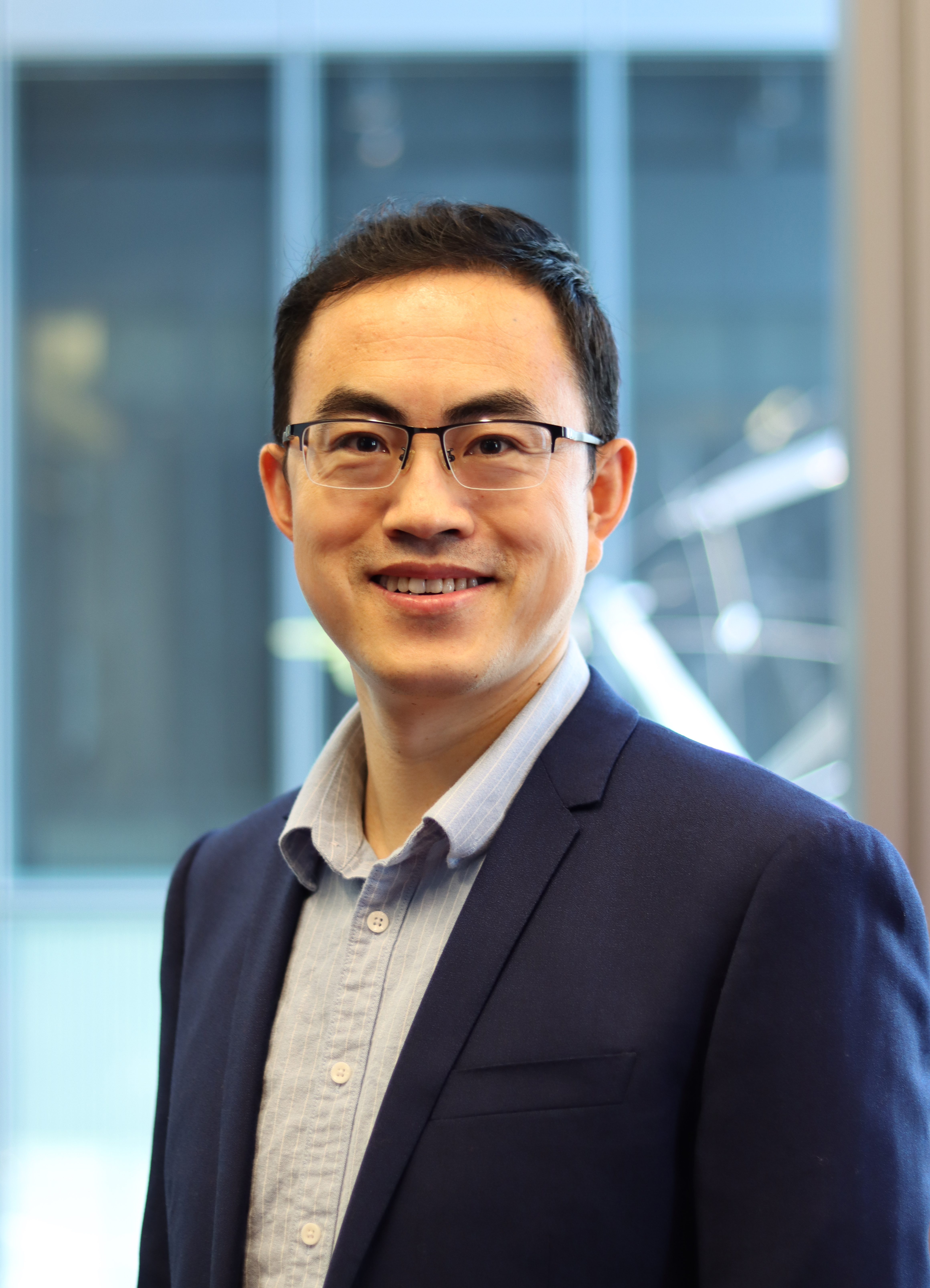

Dr. Zhengjie Zhou is an Assistant Professor in the Center for inflammation & Lung Research (CILR) at the Lewis Katz School of Medicine at Temple University, with expertise in nanomedicine, cell biology, and translational medicine. His research focuses on developing advanced delivery platforms to modulate cell-specific signaling pathways involved in inflammation and disease, particularly in the lung and vasculature. He has contributed to innovative strategies for endothelial-drived cardiovascular and lung injury treatments, and explored the therapeutic potential of various delivery systems. Zhengjie’s broader interests lie in applyings interdisciplinary technologies to address critical challenges in precision medicine and inflammatory lung diseases. Zhengjie completed his postdoctoral work at University of Chicago in 2025 and then started his independent faculty job at Temple University. He is the recipient of 2023 NIH Pathway to Independence Award.
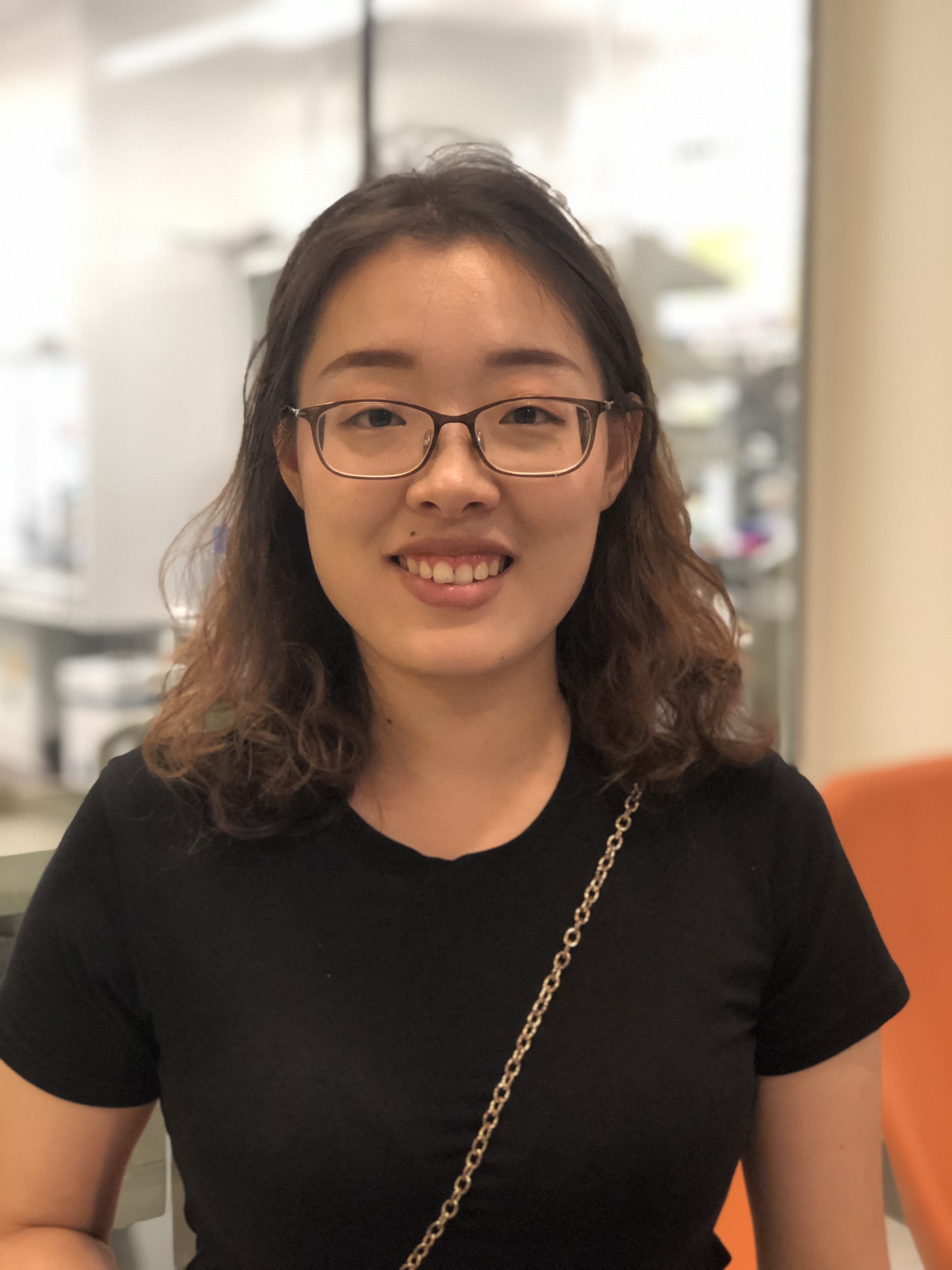
Xinlin Huang
Research Assistant
Xinlin is a research assistant with a strong interest in molecular biology, biotechnology, and translational medicine. She supports ongoing projects focused on understanding disease mechanisms and developing novel therapeutic strategies, contributing expertise in experimental design, data analysis, and laboratory techniques. Her work plays a key role in advancing studies at the intersection of nanomedicine and lung biology, particularly in areas involving targeted drug delivery and cellular signaling pathways. Xinlin is passionate about applying scientific discovery to improve human health and is committed to collaborative, interdisciplinary research. Outside the laboratory, Xinlin is an accomplished cellist. She was awarded the Gold Prize in a distinguished cello performance competition in Shanghai and has served as a featured soloist in concert performances. Her musical achievements exemplify the same dedication and discipline she brings to her scientific pursuits.
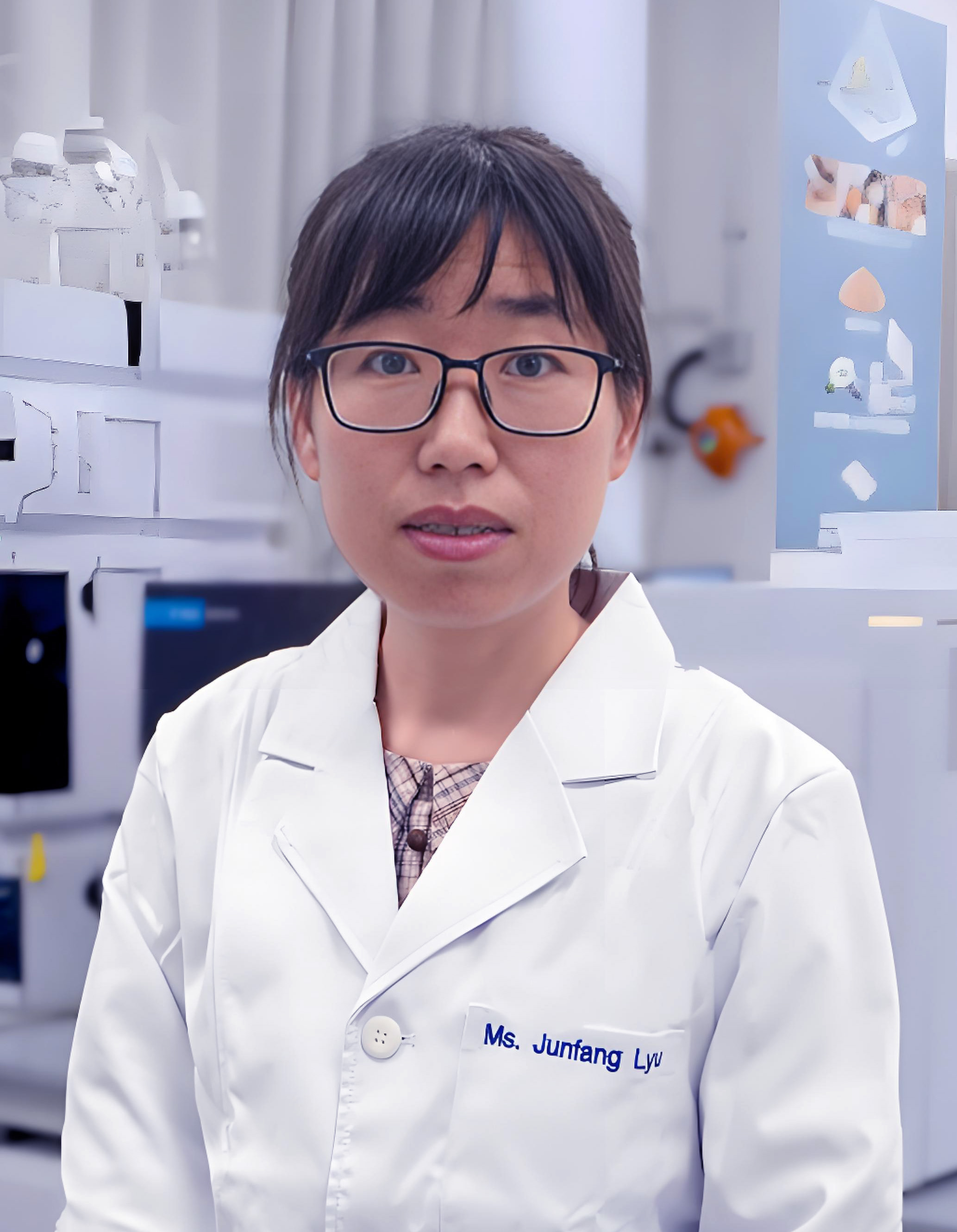
Junfang Lyu
Postdoctoral Fellow
Junfang received her Ph.D. in Biomedical Sciences from the University of Macau, where she investigated cholesterol trafficking inhibitors as novel anti-angiogenic and anti-cancer therapeutics. Following her doctoral training, she continued her research in endothelial biology, immunology, and synthetic lethality at institutions including the University of Macau and Hong Kong Baptist University. Her research experience spans tumor suppressor biology, T-cell regulation, endothelial-to-mesenchymal transition, angiogenesis, metabolism,and translational therapeutic development. Junfang has extensive expertise in molecular biology, cell biology, immunology, CRISPR/Cas9 gene editing, RNA-seq analysis, drug screening, and animal models. Outside the laboratory, Junfang enjoys reading books, exploring different foods and beverages, and spending time appreciating natural scenery.
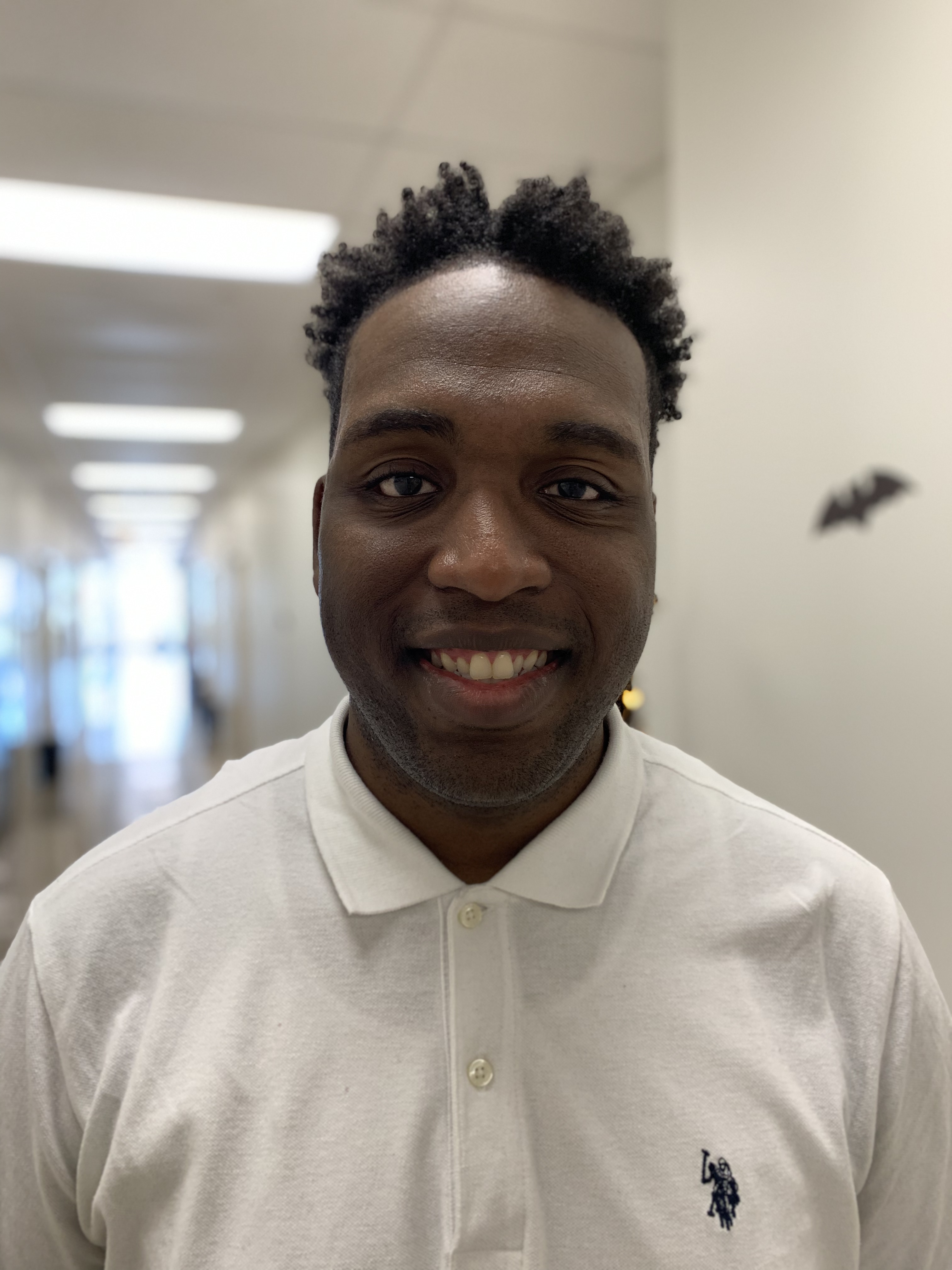
Anton L McFadden
Graduate student, PhD candidate
My name is Anton McFadden. I am a recent graduate of Cheyney University—the nation’s first HBCU. There I had received the Bond-Hill scholarship, earning my bachelor’s degree in biology. Prior to, I had participated in many internships to hone my skills as a researcher at institutions, such as The Wistar Institute for Cancer Research, University of Pennsylvania’s Singh Center for Nanotechnology, Children’s Hospital of Philadelphia, and, ultimately, Temple University, where I am currently in my first year as a PhD student studying cancer biology. In the near future, I want to interface nanoparticle technology with DNA repair mechanisms to better modulate tumor suppression and promote more effective immune responses for recalcitrant cancers, such as pancreatic, lung, and breast cancer.
Zhou Lab Alumni
2026 Tianyuan Zhang, Summer Intern, National University of Singapore2025 Pratiksha Tiwari, Postdoc